New Stage of Strategic Partnership: LETI hosts participants of the Russian–Tanzanian “DroneForestTrek” Project
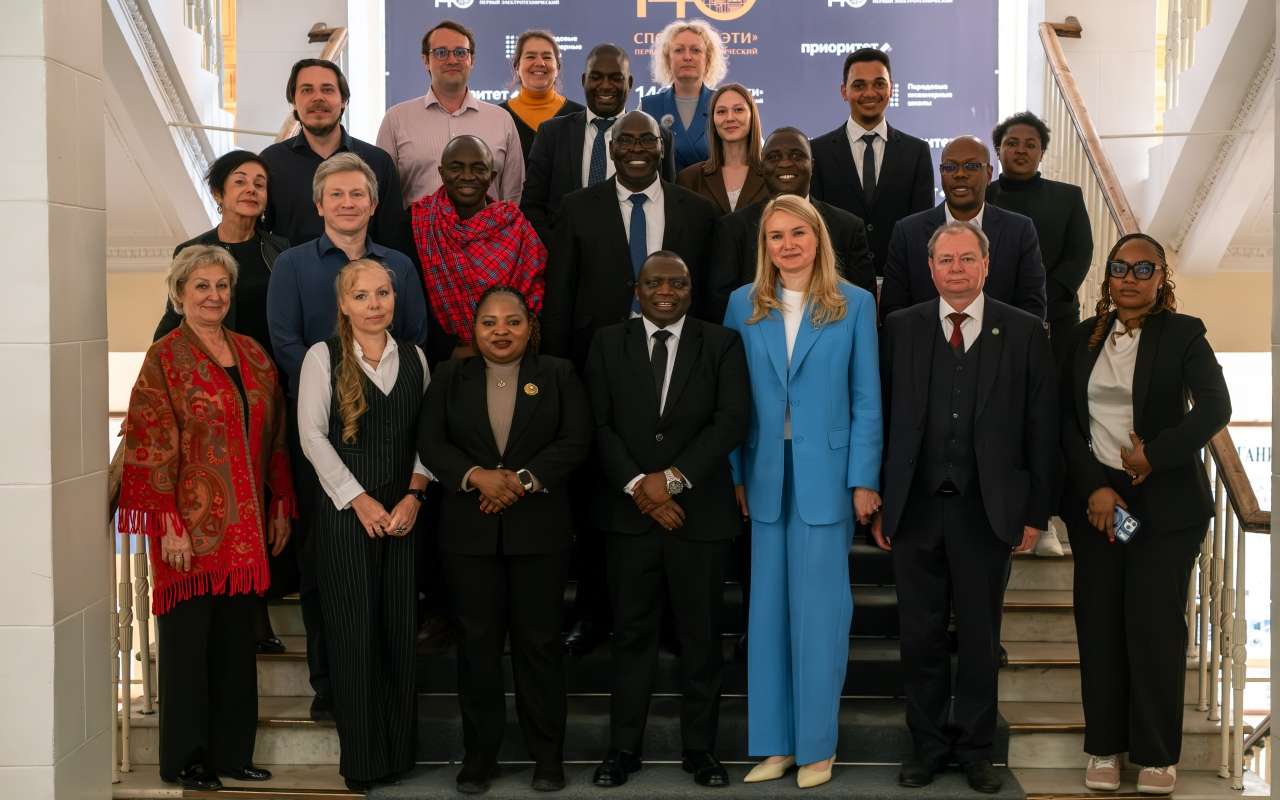
The project implementation will enable Tanzania to comply with its international climate commitments and develop its forestry sector, and Russia will increase its number of international students and strengthen the position of Russian technological solutions on the international market.
10.09.2026 36
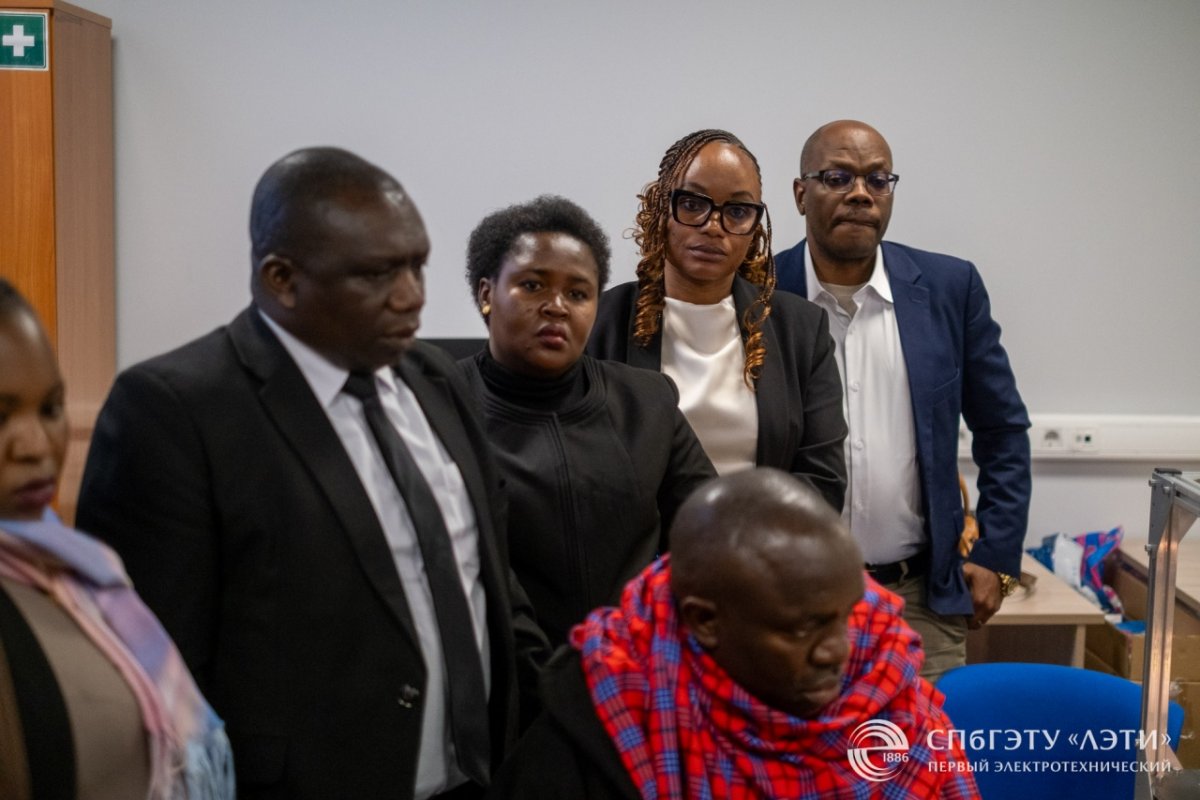
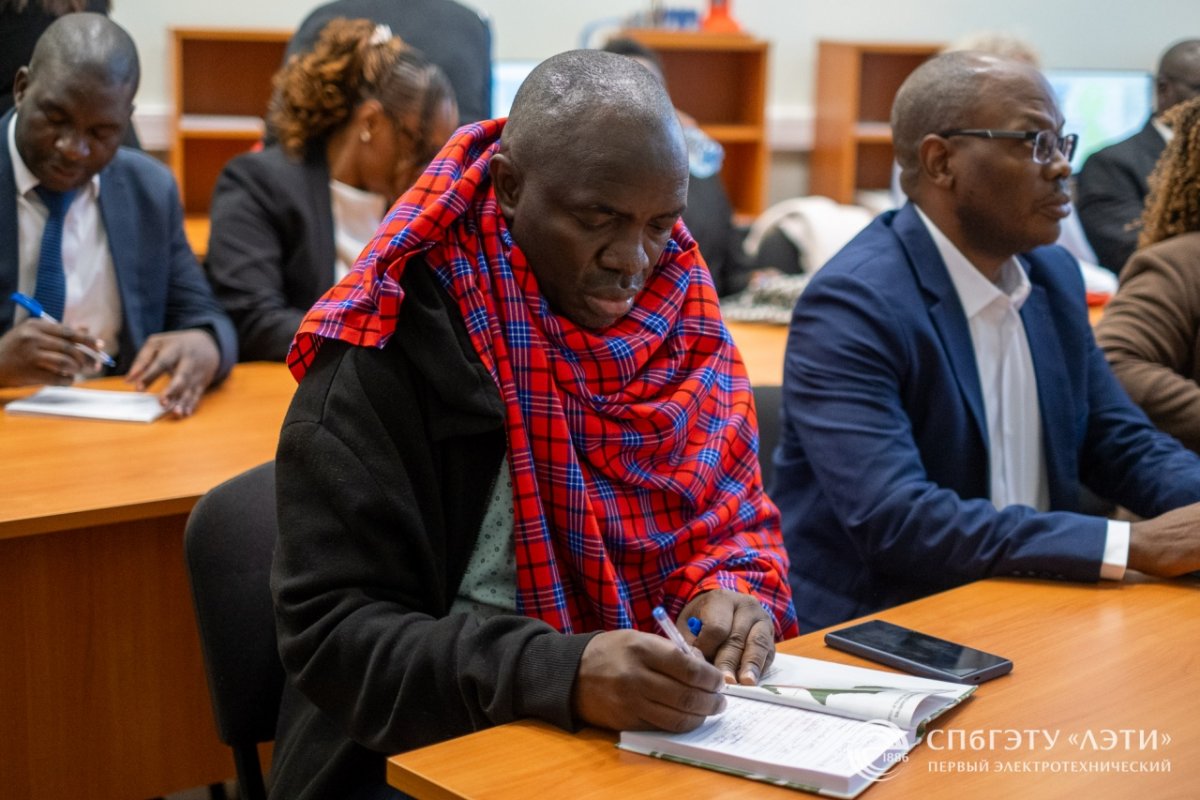
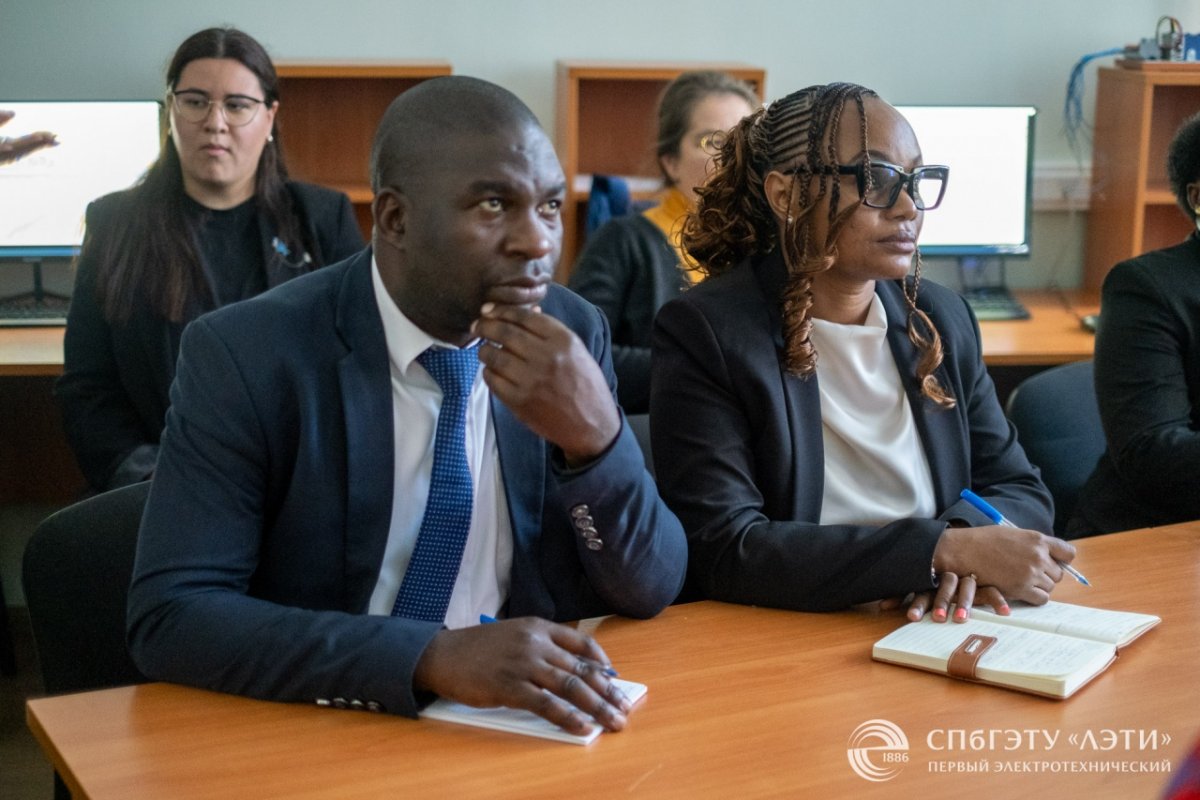
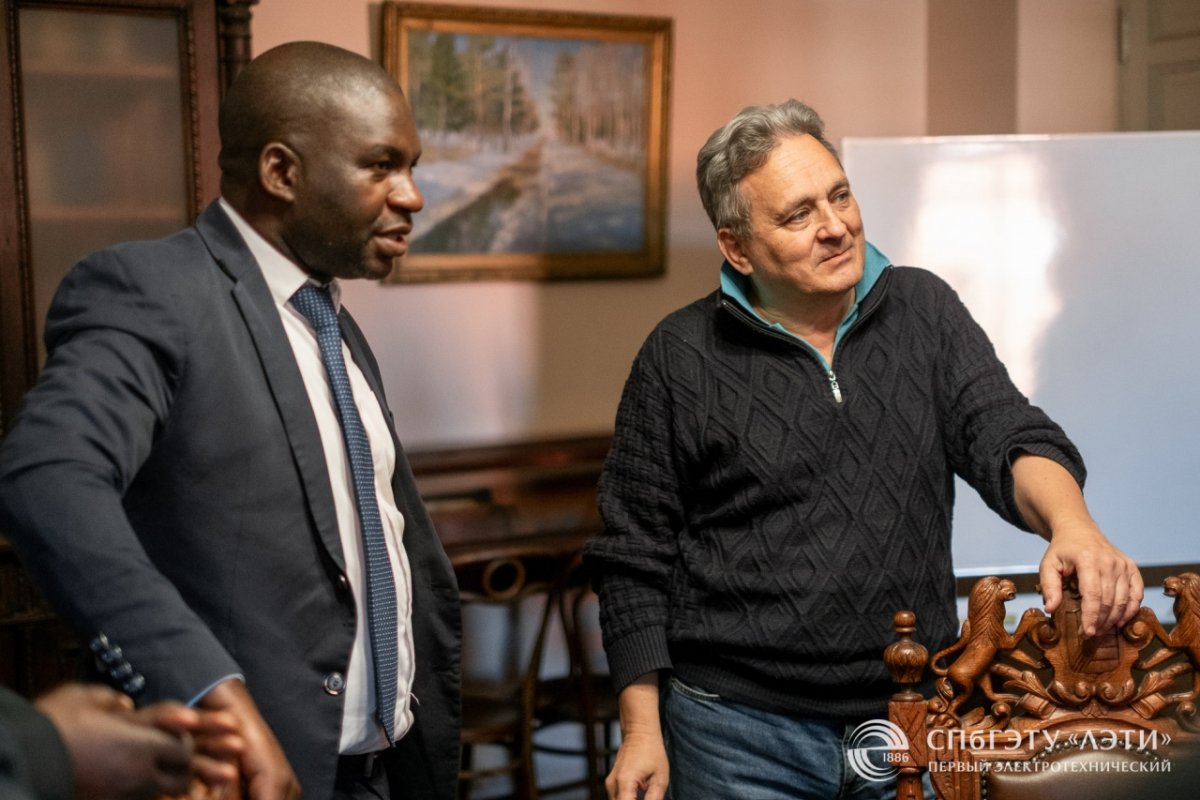
September 7, 2026, Saint Petersburg Electrotechnical University “LETI” hosted a delegation from the United Republic of Tanzania. The visit is a key event in the “DroneForestTrek: A Russian–Tanzanian Intercontinental Initiative for Sustainable Forest Management” project managed by the Saint Petersburg Charitable Public Foundation for the Development of the Peter the Great Botanical Garden and the Tanzania Forest Services Agency.
The event is part of the roadmap for bilateral cooperation signed by the Presidents of the two countries at the Saint Petersburg International Economic Forum, which adds the political and scientific significance to the event.
The “DroneForestTrek” project is a logical continuation of the long-standing relations between Russia and Tanzania in the fields of science and education. The project activities include exchanges of information, a field expedition to Tanzania, and introduction of best-available technologies for acquisition and processing of data from unmanned aerial systems for decision-making — an area in which LETI researchers can share expert knowledge.
For the Russian side, the main objective of the project is to introduce Russian solutions in the field of spatial data collection, environmental monitoring and analysis into the expert practices of the partner country.
For Tanzania, an important area of cooperation is the integration of unmanned systems into national natural resource management practices, including forest management. Forests cover almost half of the country’s territory, some of which, like the Eastern Arc Mountains, is one of the world’s major biodiversity treasures.
Challenges addressed by the project, and its practical solutions proposed, deal with both preservation and development of forest resources to ensure the sustainable development of forestry, including beekeeping, which is considered as a priority economic activity by theTanzania’s Ministry of Natural Resources and Tourism.
“The current visit to Russia provides practical solutions in the field of drone applications and digital forest monitoring. Tanzania views forests as a strategic asset and needs innovative technologies for their sustainable management, combating illegal logging and forest fires. Russia has impressive scientific and technological potential that can contribute to addressing these challenges.”
The LETI’s key priority is not only to present technologies for addressing the identified challenges, but also to train specialists in the acquisition, processing, and analysis of information for environmental management and forecasting. The University has a strong research assets and relevant expertise to contribute into the best solutions.
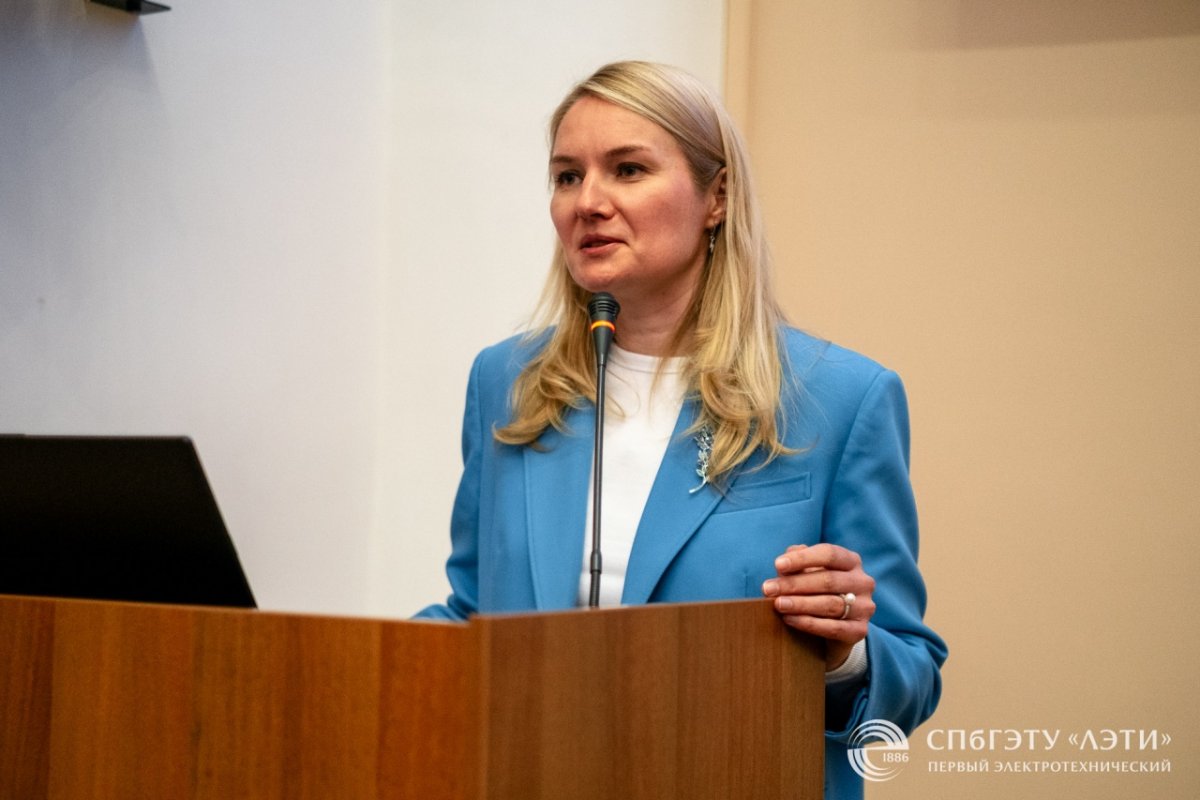
“The foundation for LETI’s cooperation with Tanzanian partners has been built over many years. Today, 14 students from Tanzania are studying at the University, including two master’s students and one PhD student, with joint projects underway. In October 2025, with the support of Rossotrudnichestvo and the Rosatom State Corporation, we held a Forum of International Alumni of Soviet and Russian Universities of African countries in Dar es Salaam. Its agenda included professional development programs, and I am confident that this experience will provide a solid ground for joint projects in forestry management. The challenges currently facing the sustainable forest management of Tanzania and biodiversity require modern technological solutions, and LETI is ready to offer its expertise in the spatial monitoring, hyperspectral imaging, data processing and analysis.”
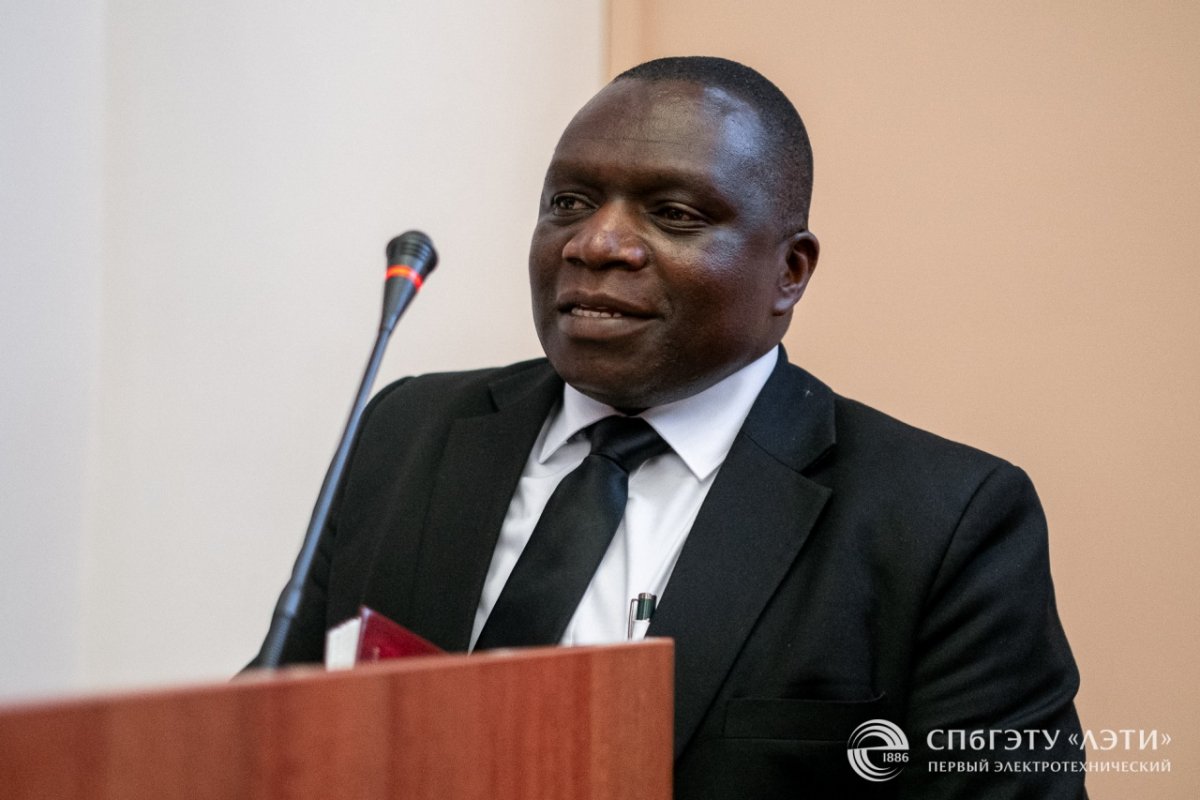

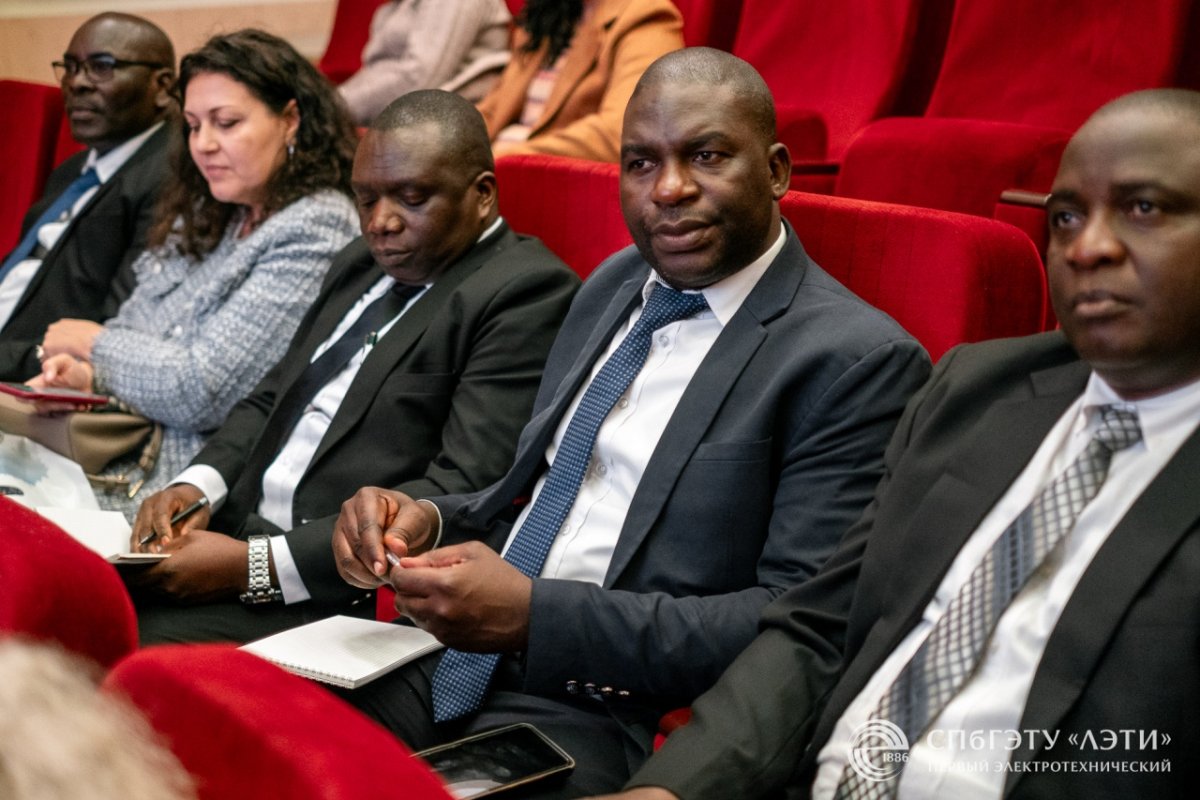
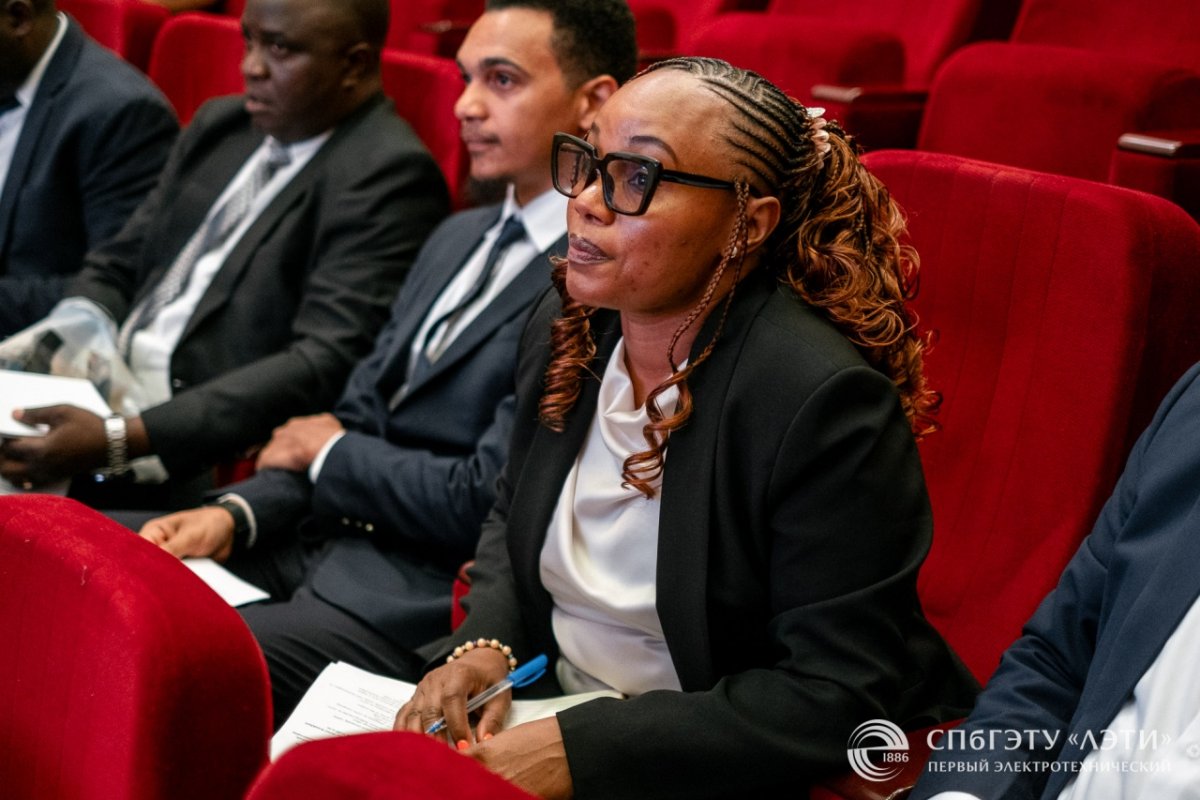
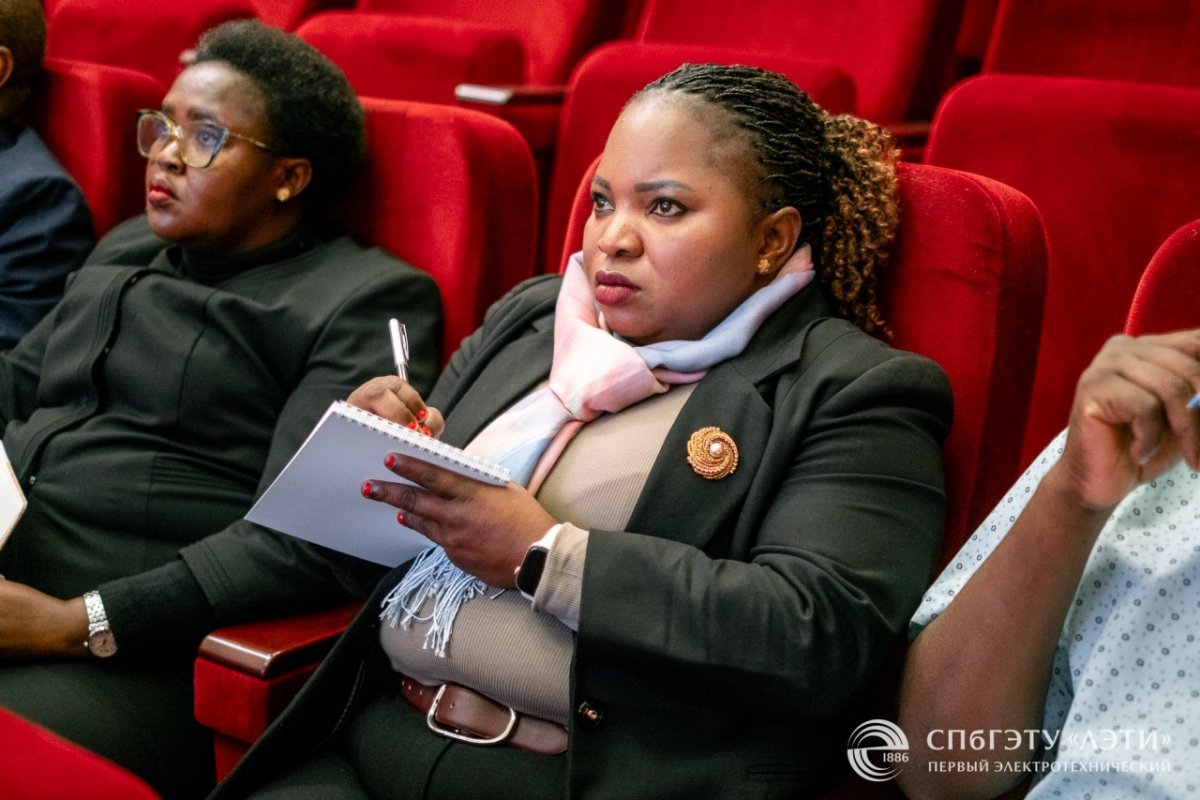
At the opening session, John Elikana Maige, Senior Forest Researcher at the Tanzania Forest Services Agency (TFS), delivered a presentation highlighting three priorities: insight into the drone capabilities, including range, payload capacity, and navigation; AI applications to detect changes in forest conditions and identify fires; and reliable data management systems. He emphasized the need to develop human resources, as technologies can only be effective when supported by qualified specialists.
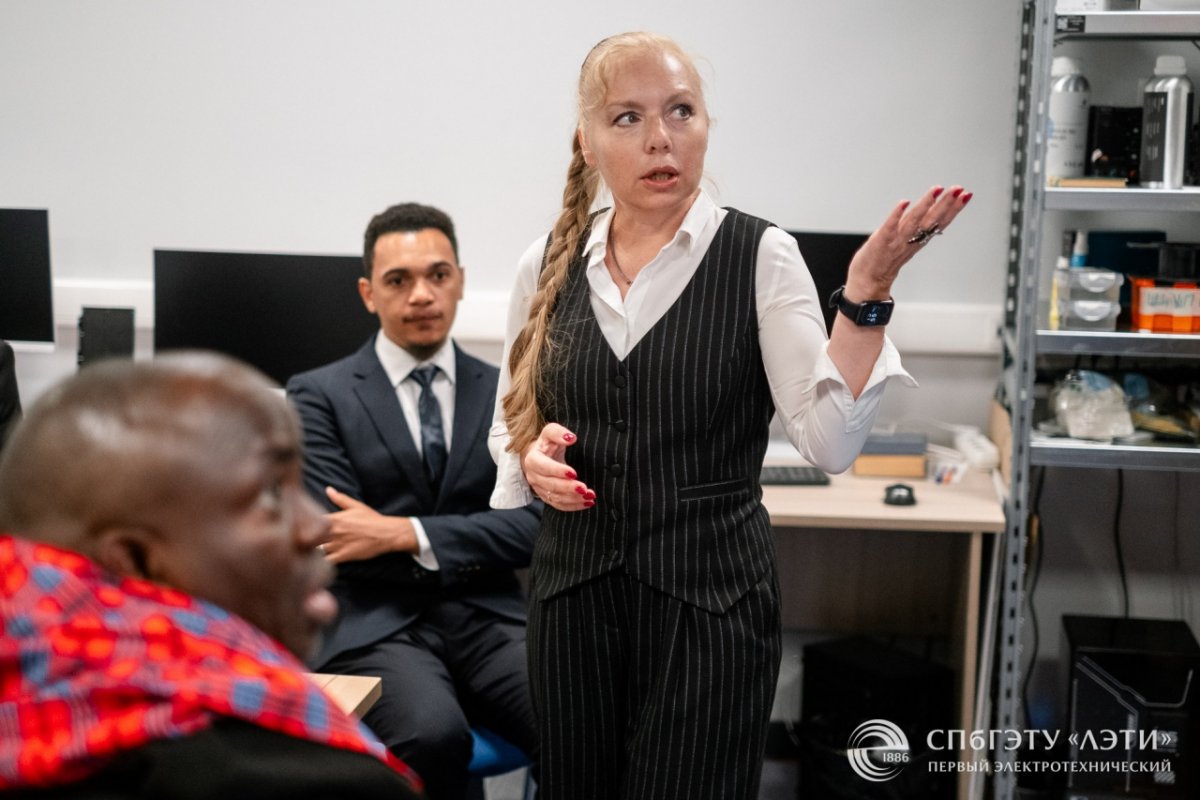
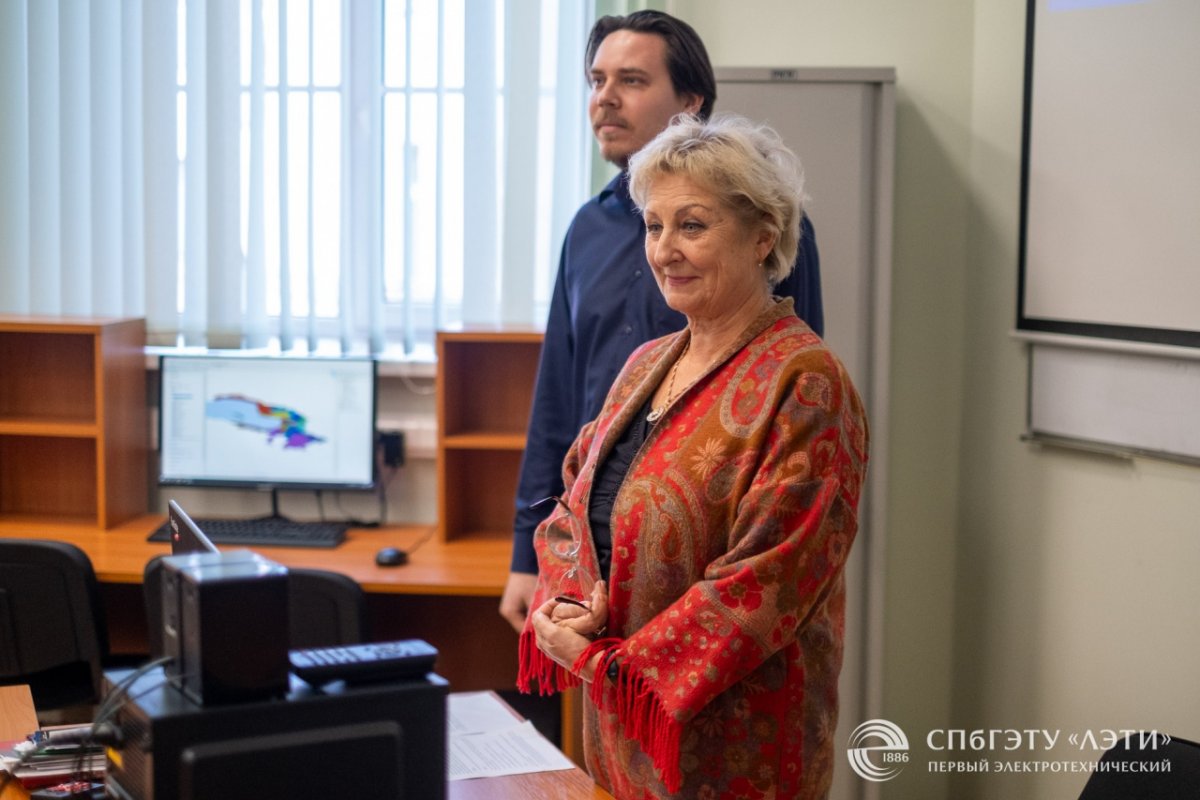
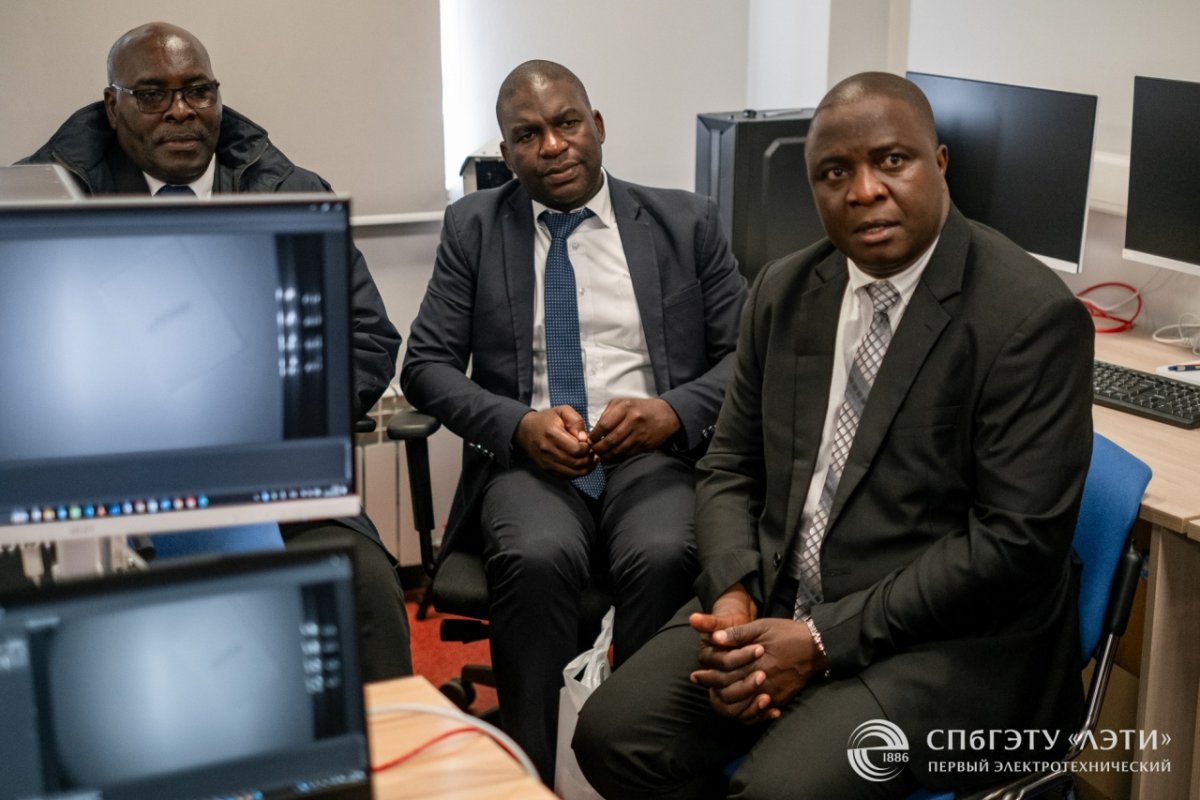
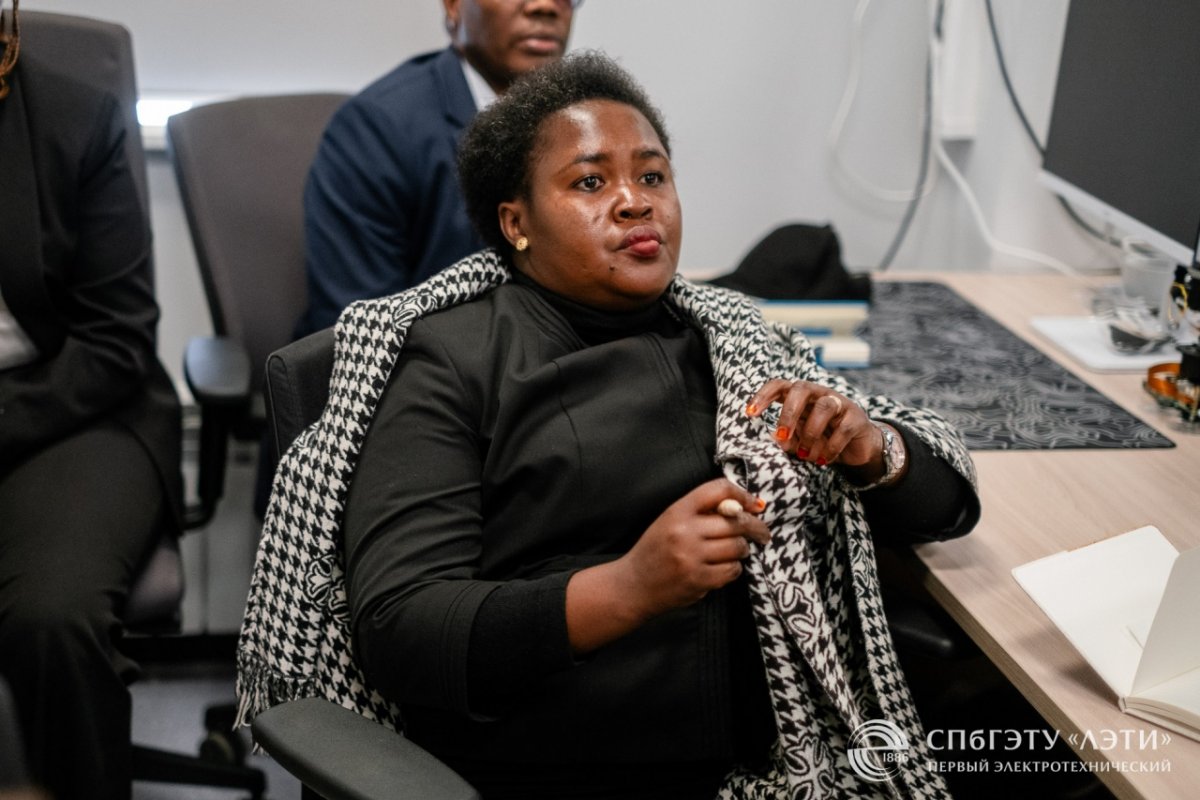
As part of the visit, the Tanzanian delegation was hosted by two departments of Saint Petersburg Electrotechnical University “LETI”. The Department of Television and Video Engineering presented the capabilities of its hyperspectral laboratory, research projects and know-how related to the project. At the GIS Technologies Educational and Research Center, representatives of the Department of Information and Measurement Systems and Technologies delivered an interactive presentation on geoinformation data collection and processing systems for decision-making.
LETI’s R&D and multiformat educational products were presented by Natalia Obukhova, Head of the Department of Television and Video Engineering, Doctor of Engineering, Professor, Dean of the Faculty of Radio Engineering and Telecommunications; Alexander Motyko, Associate Professor at the Department of Television and Video Engineering, Candidate of Engineering; Natalia Kurakina, Associate Professor at the Department of Information and Measurement Systems and Technologies, Director of the GIS Technologies Educational and Research Center; and Roman Myshko, Assistant Lecturer at the Department of Information and Measurement Systems and Technologies. Pavel Gennadievich Korolev, Head of the Department of Information and Measurement Systems and Technologies, also took an active part in discussing opportunities for joint educational projects.
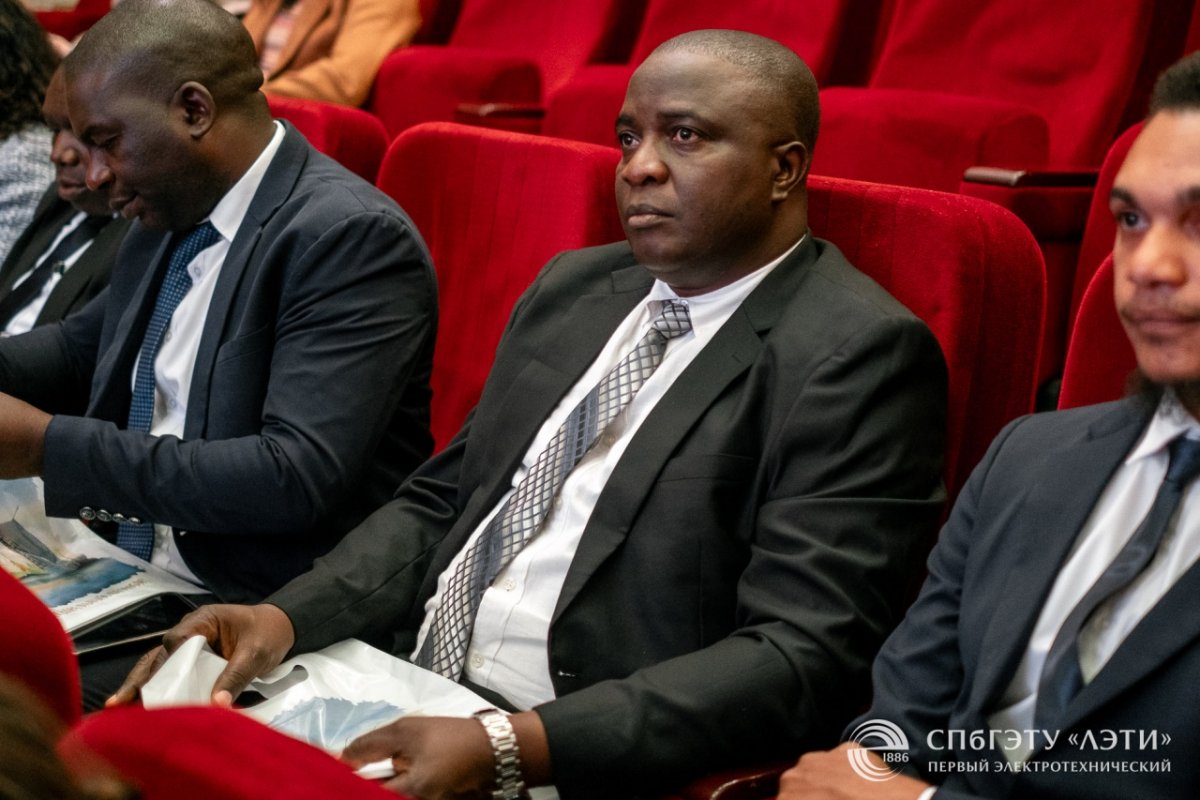


The LETI program was concluded by a round-table discussion, during which the participants reviewed the results of the visit and outlined further steps in the project implementation. Anastasia Minina confirmed LETI’s readiness to organize profiled professional development courses in flexible formats — from short-term crash courses to long-term programs combining online and offline learning.
Alexander Motyko called for expanding cooperation beyond the current project.
Jared Otieno, Head of the Forest Resources Monitoring and Assessment Division of the Tanzania Forest Services Agency (TFS), emphasized that technological developments acquire real value only when applied in practice. He highly appreciated the opportunities for training specialists in the GIS applications and use of hyperspectral methods to obtain reliable information for efficient decision-making.
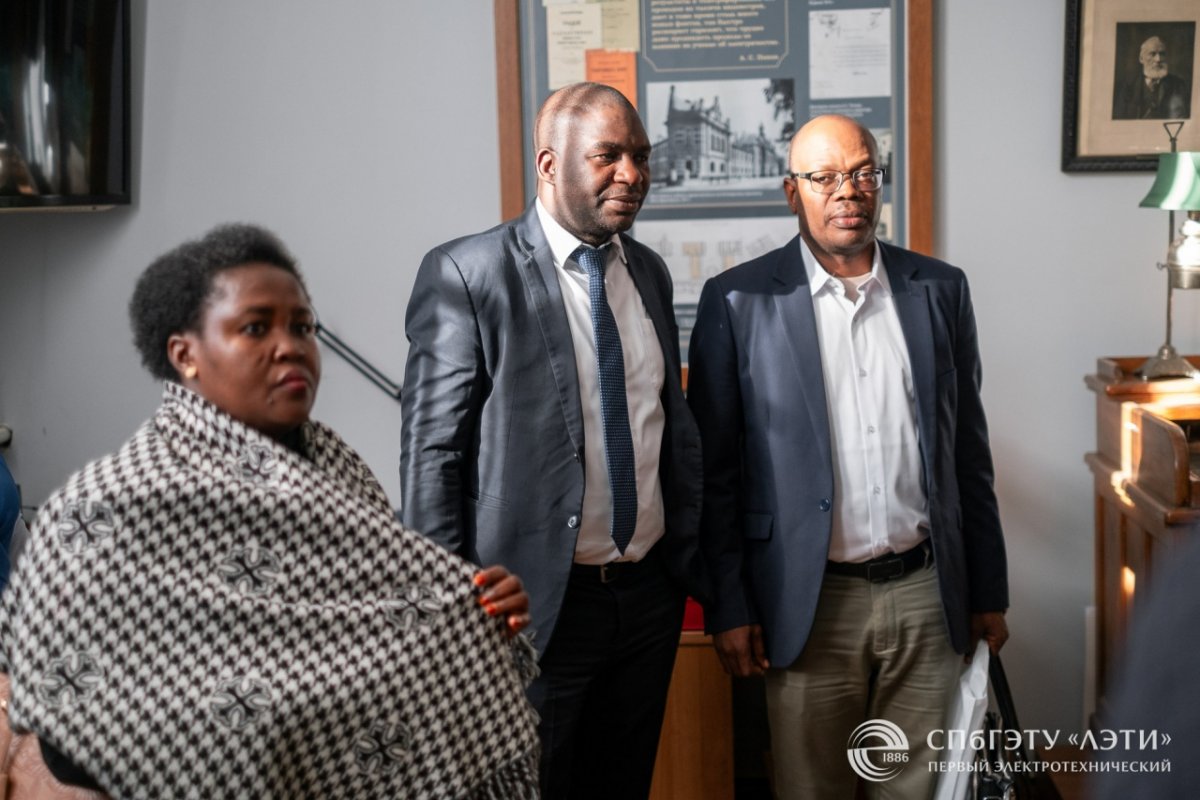
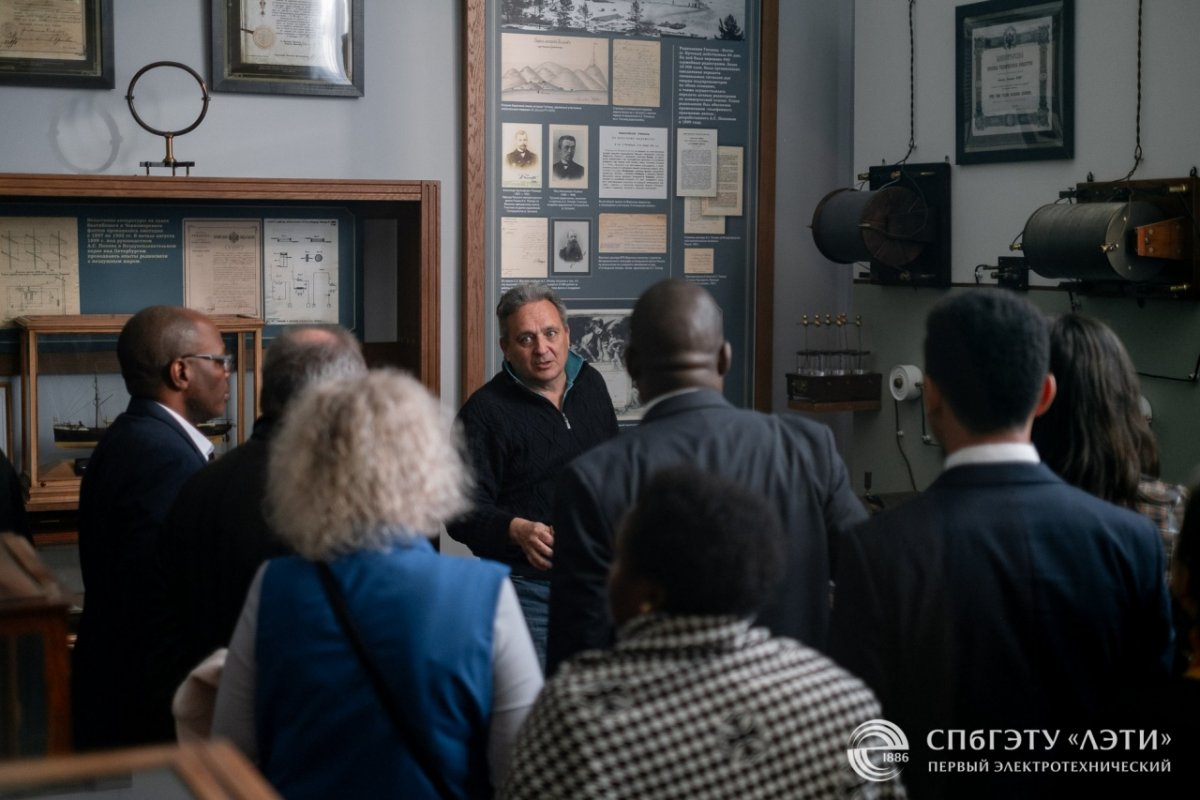
The delegation visit to the A.S. Popov Memorial Museum-Laboratory and Museum-Apartment, accompanied by the museum’s Academic Secretary Mikhail Partala, also generated keen interest of Tanzanian guests.
In the context of the international agenda, the project will make a significant contribution to strengthening the presence of the Russian Federation on the African continent, while for LETI it will serve as a pathway to increase the number of well-qualified international students.

Background
The project is funded by the Presidential Grants Fund and implemented by the Foundation for the Development of the Peter the Great Botanical Garden, with the participation of the Geoscan Group of Companies, Saint Petersburg Electrotechnical University “LETI”, the Committee for External Relations of Saint Petersburg, and the Committee for Natural Resources of the Leningrad Region.
The key Tanzanian partners are the Tanzania Forest Services Agency (TFS), the Tanzania Forestry Research Institute (TAFORI), and Sokoine University of Agriculture (SUA).
The project is planned to be implemented in several stages. During the current visit, the Tanzanian delegation is acquainted with Russian unmanned aerial system technologies, educational programs, and the results of their application in the Leningrad Region.
In November 2026, a Russian working group will conduct field trials of the developed solutions in the tropical conditions in Tanzania.
In April 2027, an online round-table discussion will be held for specialists from the two countries and other African states on the implementation of unmanned aerial systems for sustainable forest management.